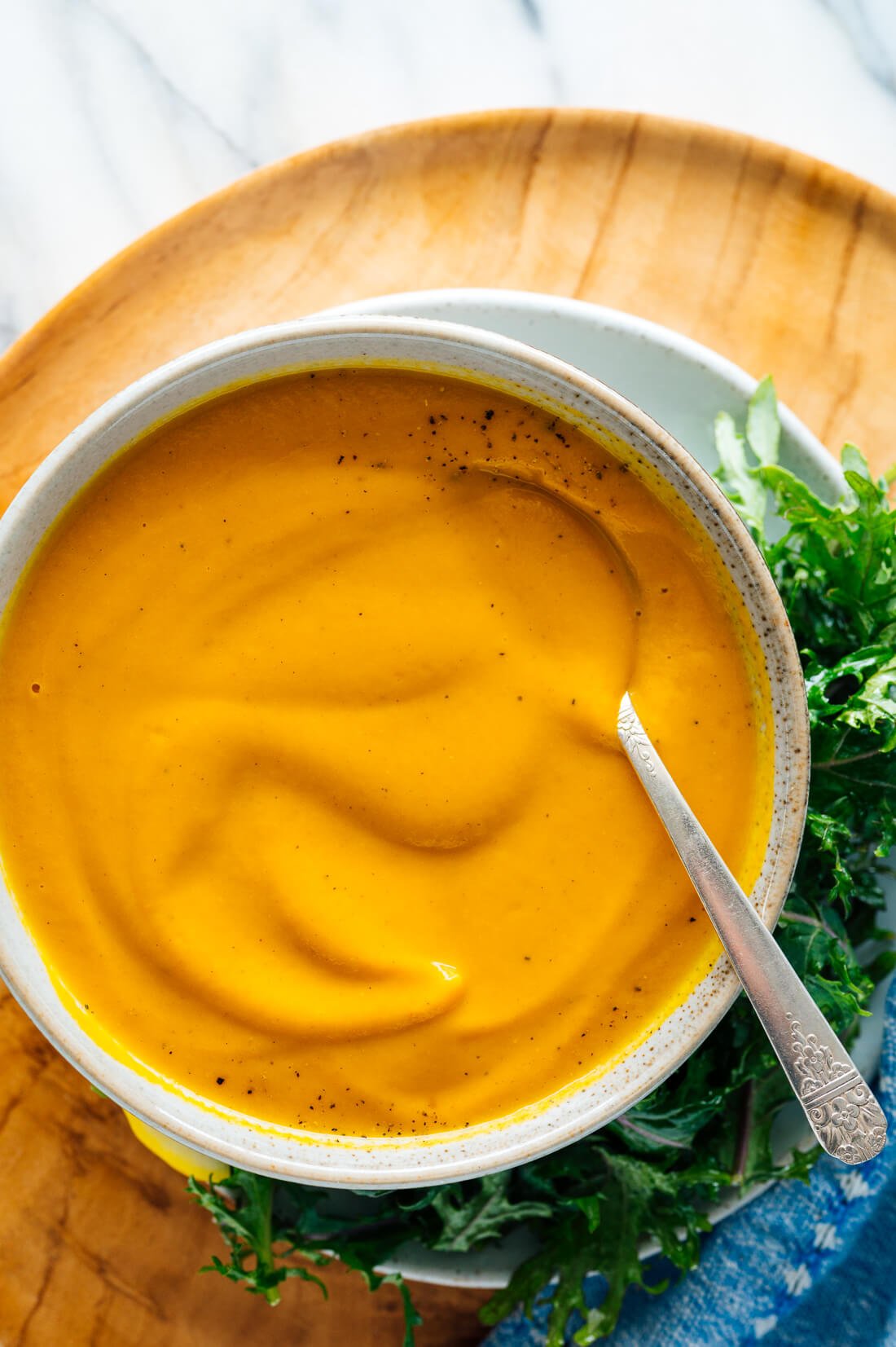
The Culinary Evolution of Carrot Soup: From Bland to Bold
For many, the idea of carrot soup conjures images of a simple, perhaps even uninspired, dish. Often reduced to boiled carrots blended with broth and a dollop of cream, the result can indeed be — as culinary icon Gordon Ramsay once described — "watery, flat, and aggressively orange." It’s a common pitfall in home kitchens: a well-intentioned attempt at comfort food that sadly misses the mark, tasting more like "hospital food" than a gourmet delight. But what if we told you the secret to transforming this humble vegetable into a truly wonderful, rich, and deeply flavorful soup lies not in adding more cream, but in a fundamental shift in technique?
Enter the Ramsay method, a game-changer that elevates carrot soup from a mere bland puree to a dish of complex flavors and velvety texture. It's an approach that prioritizes building structure and depth through thoughtful preparation, rather than masking a lack of flavor with fat. In this article, we'll delve into the secrets behind Ramsay's philosophy, exploring how roasting, layering aromatics, and clever emulsification can unlock the true potential of the carrot, creating a soup that is anything but ordinary.
The Problem with Traditional Carrot Soup: A Culinary Critique
The standard boiled carrot soup recipe, while straightforward, often falls short on flavor and body. Imagine combining peeled and chopped carrots, chicken broth, sliced onion, garlic, thyme, and tarragon in a pot. You cover it with water, bring it to a boil, then simmer until the carrots are tender. After a quick blend and a swirl of heavy cream, you have — well, a carrot soup. But often, it's a dish lacking in personality. The boiling process, while softening the carrots, can inadvertently dilute their natural sweetness and earthy notes. Without proper flavor development, the soup becomes a monochromatic experience on the palate, relying heavily on the cream to provide any sense of richness, which can sometimes mute the delicate carrot flavor rather than enhancing it.
The main issue is the absence of a crucial culinary phenomenon: caramelization. Boiling submerges vegetables in liquid, preventing their natural sugars from browning and developing those coveted complex, nutty notes. The result is a soup that, despite its vibrant color, tastes one-dimensional — a pale imitation of what carrot soup could be. This is precisely the culinary dilemma that Ramsay, and many other discerning chefs, sought to solve.
Ramsay's Revelation: The Power of Roasting Carrots
The cornerstone of Ramsay's transformative approach to carrot soup is a simple yet profound technique: roasting the carrots first. This single step is where the magic truly begins, flipping the entire flavor profile from bland to wonderfully complex. Instead of merely softening the carrots in liquid, roasting them in the oven until they are deeply golden and caramelized achieves several critical objectives:
- Intensified Sweetness and Depth: Roasting triggers the Maillard reaction, a chemical process responsible for the browning and development of complex flavors in food. The natural sugars within the carrots caramelize, creating profound sweet, nutty, and slightly smoky notes that boiling simply cannot replicate. This deepens the overall flavor profile of the soup immeasurably.
- Concentrated Flavor: As carrots roast, excess moisture evaporates. This concentrates their inherent sweet-earthy flavor, making every bite more potent and satisfying. You're not just cooking carrots; you're extracting and enhancing their very essence.
- Luxurious, Naturally Creamy Texture: Roasting softens the carrots to an almost custard-like consistency. When these tender, caramelized carrots are puréed, they contribute significantly to a naturally thick, velvety smooth texture. This intrinsic richness often negates the need for copious amounts of heavy cream, allowing the soup to achieve its luscious body through technique rather than just added fat. This is key to achieving a truly Roasted Carrot Soup: Get Creamy Texture Without Heavy Cream.
This technique isn't exclusive to carrots; it's a foundational principle applied to many vegetable-based soups, such as roasted tomato basil or butternut squash. By harnessing the power of dry heat, we unlock a depth of flavor that becomes the structural backbone of a truly exceptional carrot soup.
Beyond Roasting: Building Layers of Flavor and Structure
While roasting is paramount, Ramsay's method doesn't stop there. It's about a holistic approach to building flavor, layering aromatics, and achieving natural richness that transcends the simple addition of cream. It’s about creating a soup with structure.
- Layering Aromatics in Fat: After roasting, the next crucial step is to gently sauté aromatics. Think finely diced onions, smashed garlic cloves, and perhaps fresh ginger (a fantastic addition, particularly if you're leaning towards a Mediterranean Carrot Soup: Rich Flavor, No Heavy Cream). Cooking these in a quality fat — such as olive oil or butter — before adding liquids allows their flavors to bloom fully, infusing the base with fragrant depth. This is where the initial flavor foundation is meticulously laid.
- The Slow Spice Bloom: Spices, too, benefit from careful handling. Instead of simply adding them to the pot with the liquid, gently toasting whole spices or cooking ground spices briefly in the same fat used for aromatics awakens their essential oils. This "slow spice bloom" releases a warmer, more profound fragrance and taste. Imagine the earthy notes of cumin, the sweet warmth of coriander, or the subtle heat of allspice being coaxed out, intertwining with the roasted carrots and sautéed aromatics.
- Emulsification and Natural Richness: With roasted carrots, beautifully bloomed aromatics, and perfectly toasted spices, the soup begins to take on a natural richness. When all these components are combined with a high-quality chicken or vegetable broth and then puréed, the fat molecules from the cooking process (olive oil, butter), along with the starches and fibers from the vegetables, emulsify beautifully. This creates a naturally smooth, creamy, and satisfying texture without the need for copious amounts of heavy cream. If a touch more creaminess is desired, a splash of whole milk, coconut milk, or even a final knob of butter can be stirred in at the end, providing richness without overpowering the nuanced flavors.
This meticulous layering ensures that every spoonful of carrot soup offers a symphony of tastes, a testament to the idea that thoughtful technique is the ultimate ingredient.
Crafting Your Own Wonderful Carrot Soup: Tips and Customization
Now that we've uncovered Ramsay's secrets, let's put them into practice to create your own wonderful carrot soup. Here are practical tips and customization ideas:
- Choose Your Carrots Wisely: Start with fresh, vibrant carrots. While any carrots will do, organic or locally sourced varieties often have a more pronounced sweetness. Peel them thoroughly for a silky-smooth soup.
- The Roasting Method:
- Preheat your oven to a robust 400°F (200°C).
- Chop carrots into roughly uniform pieces to ensure even roasting. Toss them with a good drizzle of olive oil, salt, and freshly ground black pepper. You can also add a pinch of garlic powder or a sprig of fresh thyme here.
- Spread them in a single layer on a baking sheet. Roast for 25-40 minutes, or until they are tender, slightly shriveled, and have lovely caramelized, golden-brown edges. This is non-negotiable for flavor!
- Aromatics & Spice Base: In a large pot, sauté finely diced onion in olive oil or butter until translucent. Add smashed garlic cloves and your chosen spices — think ground coriander, a pinch of allspice, and freshly grated ginger for a warming Mediterranean profile, or cumin and a touch of curry powder for an Indian-inspired twist. Cook for 1-2 minutes until fragrant.
- Building the Liquid: Deglaze the pot with a high-quality chicken or vegetable broth, scraping up any flavorful bits from the bottom. Add your roasted carrots to the pot. Simmer for about 10-15 minutes to allow all the flavors to meld.
- Blending for Perfection: Remove the pot from the heat. Use an immersion blender directly in the pot, or carefully transfer the soup in batches to a stand blender. Blend until absolutely smooth and velvety, ensuring there are no fibrous chunks. If using a stand blender, remember to vent the lid to prevent steam build-up and start on a low speed, gradually increasing.
- Finishing Touches: Return the puréed soup to low heat. Taste and adjust seasonings — you might need more salt, pepper, or a squeeze of fresh lemon juice to brighten the flavors. If desired, stir in a splash of whole milk, coconut milk, or a small pat of butter for an extra luxurious finish.
Serving Suggestions: Serve your elevated carrot soup with a swirl of good olive oil, a sprinkle of fresh herbs (parsley, cilantro, or chives), a dollop of Greek yogurt or crème fraîche, or some toasted pumpkin seeds. It's fantastic as a sophisticated starter, a light and comforting lunch with crusty bread or focaccia, or as an elegant accompaniment to autumnal dishes like roasted chicken or stuffed squash. And like many great soups, the flavors often deepen and improve overnight, making it an excellent candidate for meal prepping.
Conclusion: The Art of Elevated Simplicity
Gordon Ramsay’s approach to carrot soup is more than just a recipe; it's a masterclass in elevating simple ingredients through thoughtful technique. By rejecting the blandness of boiling in favor of the transformative power of roasting, and by meticulously layering aromatics and spices, he shows us that even the most humble vegetables can be turned into a culinary masterpiece. It's about understanding the "why" behind each step, building a soup with true structure, depth, and a richness that comes from flavor concentration rather than just added fat.
So, the next time you crave a comforting bowl of carrot soup, remember Ramsay's secrets. Embrace the roast, savor the bloom of aromatics, and blend your way to a velvety, flavorful experience that is anything but watery. You'll discover that going from watery to wonderful is not just a dream, but a delicious reality well within your reach.
